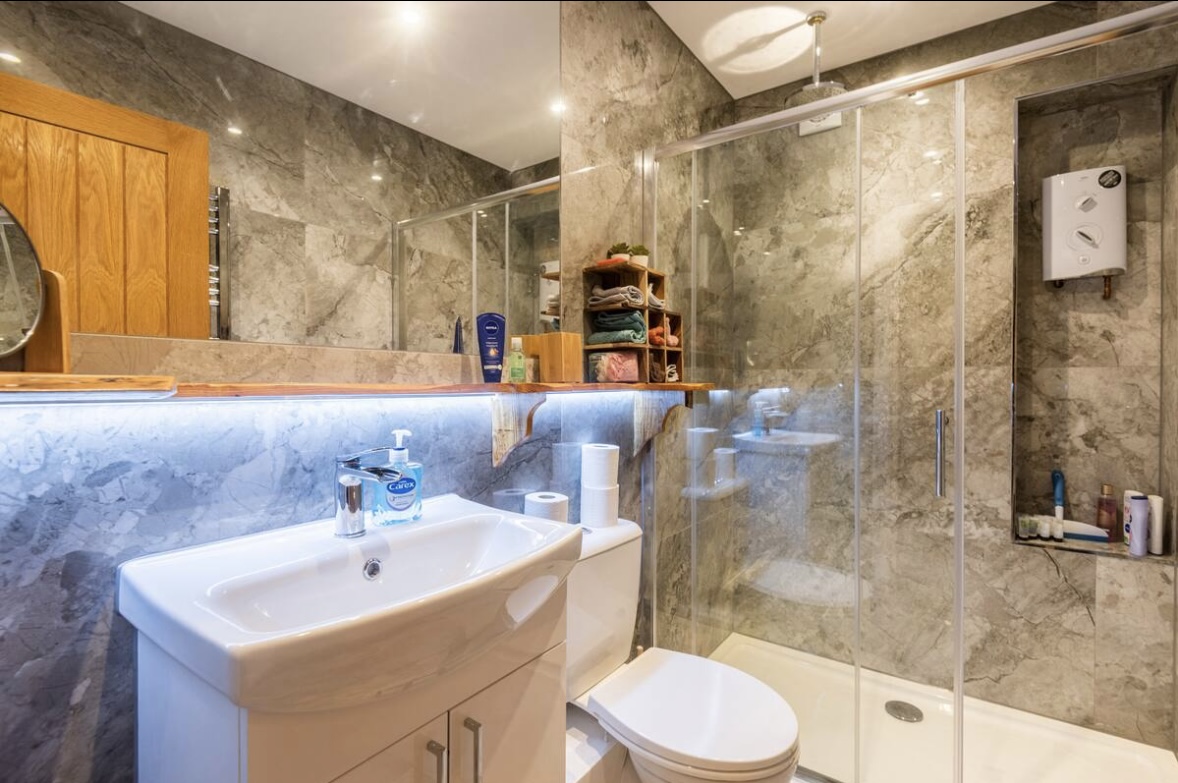
A bathroom renovation is one of the most rewarding home improvement projects, but it requires careful planning and realistic expectations about the timeline. Whether you live in a Brighton flat, a Victorian terrace or a newly built home, understanding the stages of a bathroom renovation helps you prepare, minimise disruption and ensure everything runs smoothly. A typical bathroom renovation takes between one and three weeks depending on scope, structural changes, plumbing updates, tile choices and the level of customisation required. In this step-by-step guide, you’ll learn exactly what happens each week of the renovation process, the decisions you’ll need to make along the way and how experts like Bespoke Brighton Bathrooms deliver high-quality results through structured planning and efficient project management.
Pre-renovation planning
Before any work begins, several planning steps ensure your project stays on schedule and within budget.
Initial consultation
A bathroom renovation starts with a consultation where your installer reviews the space, takes measurements and discusses your goals.
Design and layout planning
You’ll choose layouts, fixtures, tiles, lighting and storage options. This step often includes preparing 2D or 3D sketches to visualise the final design.
Product selection
All key items such as tiles, taps, vanity units, shower screens, toilet models and lighting must be selected before work starts to avoid delays.
Scheduling
A renovation timeline is created based on installer availability, material delivery dates and access to the property.
Week 1: Strip-out and preparation
Day 1–2: Removing the old bathroom
The first stage involves removing the old bath or shower, tiles, basin, toilet, flooring and sometimes plasterboard. This allows the team to inspect the condition of the walls, floors and pipework.
Day 3: Assessment and repairs
Once stripped back, hidden issues become visible. Common problems include damp patches, rotten joists, uneven floors and old plumbing that needs updating. Older Brighton properties often require more preparation due to age and structural quirks.
Day 4–5: Structural or subfloor preparation
If needed, new boarding, levelling compounds or reinforced supports are installed. This stage ensures the bathroom has a solid, stable base ready for plumbing, electrics and tiling.
Week 1–2: First fix plumbing and electrics
Pipework installation
Plumbers reposition or replace pipes for the shower, bath, basin and toilet if required. Any new waste routes or soil pipe adjustments are completed here.
Electrical wiring
Electricians install wiring for lighting, mirrors, extractor fans, underfloor heating and shaver sockets.
Waterproofing preparation
The walls and floor in wet areas may be treated with tanking systems to prevent leaks. Wet rooms require full waterproofing at this stage.
Inspection and testing
Professionals ensure everything is correctly fitted before closing up the walls or floors.
Week 2: Plastering and boarding
Wall preparation
Plasterboard is installed over newly prepared walls.
Skimming
Surfaces may be skimmed to achieve a smooth finish ready for tiling.
Drying time
Drying typically takes one or two days depending on room conditions, especially in Brighton’s coastal climate where humidity can slow the process.
Week 2–3: Tiling and flooring
This phase is one of the most time-consuming yet visually transformative parts of the renovation.
Wall tiling
Tilers begin on the walls, starting with straight lines and ensuring even spacing. Large format tiles take careful handling, while mosaic tiles require precision.
Floor tiling
Floor tiles are laid once the wall tiles are set. Underfloor heating is installed prior to tiling if included.
Grouting
Grout is applied to seal gaps and complete the finish. Matching grout colours are often used to create seamless visual flow, especially in small bathrooms.
Drying and sealing
Tiles need adequate drying time before fixtures can be installed.
Week 3: Second fix installation
Once tiling is complete, the bathroom begins to take shape.
Installing the bath or shower
The shower tray or walk-in shower system is fitted, along with screens and drainage. Wet rooms require careful gradient checks to ensure proper water flow.
Fixing the basin and vanity
Wall-hung units or floor-standing vanities are secured and plumbed in.
Toilet installation
Toilets are installed last to avoid accidental damage during earlier stages.
Taps, mixers and accessories
Taps, shower valves, towel rails and accessories are installed and connected.
Electrical installation
Electricians return to fit lights, mirrors, fans and switches.
Week 3: Final finishes and inspection
Sealing and silicone work
Edges around showers, baths and basins are sealed for waterproofing. The quality of silicone work greatly affects the final appearance.
Painting and touch-ups
Any exposed walls or ceilings are painted.
Deep cleaning
The bathroom is cleaned thoroughly so fixtures, tiles and surfaces look their best.
Final inspection
A comprehensive check is carried out to ensure everything functions correctly, including drainage, water pressure, hot water flow and electrical components.
Factors that can extend the timeline
While most bathroom renovations follow a fairly predictable timeline, some situations may add extra time.
Delays in material delivery
Significant plumbing or structural issues
Complex tiling patterns
Custom-made fixtures
Changes in design mid-project
Limited access in compact Brighton bathrooms
Working with a skilled team like Bespoke Brighton Bathrooms helps minimise delays by planning carefully and coordinating all trades efficiently.
How to prepare for your renovation
Clear the area around the bathroom and ensure safe access for the installers
Plan alternative showering arrangements, especially during week one
Choose all materials before the project begins
Set aside space for storing fixtures safely
Communicate any special requirements early
Good preparation helps keep the project on schedule and reduces stress during the renovation.
Quick Takeaways
Bathroom renovations typically take 1–3 weeks.
Strip-out and preparation reveal hidden issues.
Plumbing and electrical work happen early in the process.
Tiling is the most detailed and time-consuming stage.
Final installation and finishing bring the bathroom to life.
Proper planning reduces delays and ensures smooth progress.
A bathroom renovation is a multi-stage process that requires coordination, planning and skilled workmanship. Understanding the timeline helps Brighton homeowners prepare for each phase and make confident decisions throughout the project. Whether you are renovating a compact bathroom or transforming a spacious one into a luxurious retreat, the key to success lies in choosing quality materials, keeping communication clear and working with experienced professionals. Bespoke Brighton Bathrooms delivers efficient, well-planned renovations with a focus on craftsmanship, ensuring your new bathroom is not only completed to a high standard but also built to last. If you’re ready to begin your renovation journey, their expert team is prepared to guide you from the first consultation to the final inspection.